


(3 Minutes Read)
The transnational mega-project is actively complementing national development efforts by providing extensive opportunities in line with Tanzania’s commitment to inclusive growth.
The East African Crude Oil Pipeline project has emerged as a significant economic catalyst in Tanzania, moving beyond its function as an energy corridor to become a vital artery for socio-economic transformation across eight regions.
The transnational mega-project is actively complementing national development efforts by providing extensive opportunities in line with Tanzania’s commitment to inclusive growth.
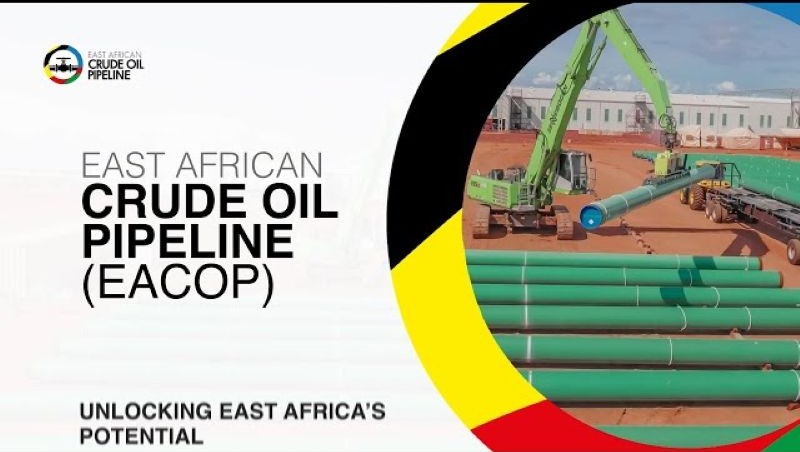
The pipeline, which will transport crude oil from Hoima, Uganda, to the Tanzanian coastline in Tanga, is increasingly being viewed as a “pipeline of purpose,” transporting not just crude oil, but opportunities that are transforming lives. Over 1,147 km of the 1,443 km pipeline lie within Tanzanian borders, running through 24 districts and over 180 villages.
The project is delivering on Tanzania’s Local Content Law by prioritizing domestic employment and business opportunities. The pipeline has already created over 7,000 jobs for Tanzanians, ranging from skilled engineers to unskilled laborers. At the Marine Storage Terminal (MTT) in Chongoleani, Tanga alone, 88% of the 1,397-person workforce are Tanzanian nationals.
Read Also;
The pipeline and its contractors, particularly China Petroleum Pipeline (CPP), are fostering local enterprise by ensuring supply chain opportunities benefit the communities along the route.