


(3 Minutes Read)
Zimbabwe’s horticulture industry has achieved a major breakthrough with the signing of a trade protocol in September 2025, enabling the export of fresh blueberries to China. This milestone not only opens new export channels but also marks a strategic pivot in Zimbabwe’s agricultural agenda as it seeks to compete in the global fruit market.
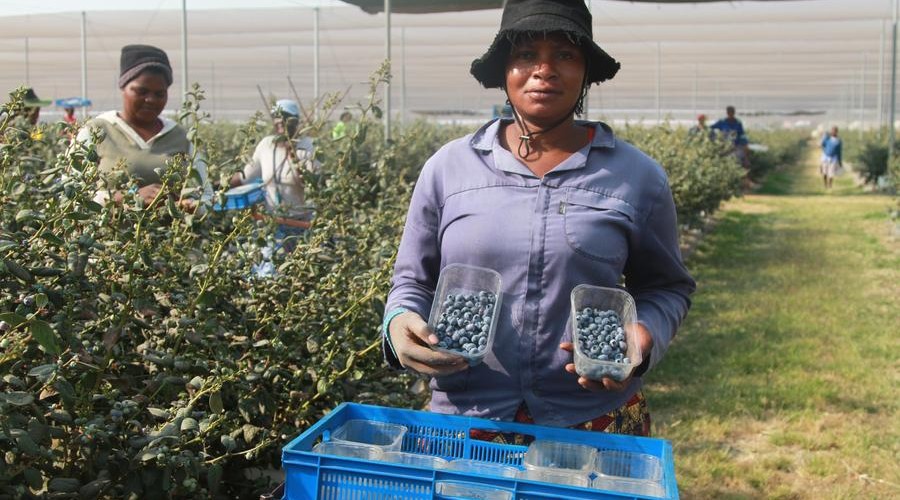
Over the past ten years, the country’s blueberry sector has shown consistent growth, supported by favorable weather, increased investment, and a reputation for quality produce. The Horticultural Development Council (HDC) forecasts that production will rise from 8,000 metric tonnes in 2024 to 12,000 in 2025, largely due to expansion in ideal growing regions like Mashonaland West.
China’s blueberry market has grown rapidly, driven by rising income levels and demand for healthy, fresh foods. As a top global player in both production and trade of blueberries, China represents a competitive yet potentially rewarding market. The new agreement gives Zimbabwean growers access to this space, though they must meet strict phytosanitary requirements to maintain quality and consistency.
Alistair Campbell, a commercial grower in Mashonaland West, highlighted Zimbabwe’s seasonal advantage, which allows early access to northern hemisphere markets. Combined with strong reception in Europe and the Middle East, this gives Zimbabwe a valuable edge. However, Campbell stressed the importance of scaling production to meet growing demand.
Industry leaders view this protocol as a catalyst for broader agricultural investment. The HDC is urging coordinated government and private sector action to boost production capacity, improve packing infrastructure, and develop cold chain logistics. These improvements are seen as vital not only for the Chinese market but for Zimbabwe’s global competitiveness.
Youth-led groups are also set to benefit. The Zimbabwe Young Farmers Association, led by Joseph Kakoto, sees the agreement as a gateway for small-scale and young farmers to enter high-value export markets. Kakoto believes this development could attract investment and create jobs, especially in rural areas, while tapping into China’s growing middle class and health-conscious consumers.
Regionally, Zimbabwe’s growth aligns with a Southern African trend of using horticulture for economic diversification and foreign exchange. Countries like South Africa already lead in blueberry exports, while others like Malawi and Zambia are emerging players. Zimbabwe’s deal with China may shape regional strategies for global market engagement.
Despite the excitement, challenges persist. Limited access to affordable finance, energy shortages, and inadequate infrastructure could hinder progress. Meeting China’s strict quality standards will require investments in compliance systems and skilled labor. Zimbabwe also faces stiff competition from established exporters like Peru, Chile, and South Africa.
Read Also;
Still, the China deal reflects Zimbabwe’s shift from traditional crops to diversified, higher-value exports. Policymakers now face the task of ensuring inclusive growth that brings smallholders and rural communities into the fold. As African-Asian trade deepens, Zimbabwe’s evolving blueberry sector may become a model of how agricultural exports can drive economic transformation. Sustaining this momentum will require smart policy, inclusive investment, and consistent quality in a highly competitive global market.