

(3 Minutes Read)
Ethiopia stands at the cusp of a major energy breakthrough with the near-completion of the Grand Ethiopian Renaissance Dam (GERD). Once operational, this colossal hydropower project is expected to more than double the country’s current hydroelectric capacity, marking a historic step toward national energy security. However, this national milestone belies a sobering reality: over 60 million Ethiopians still lack access to electricity, and for them, the promise of power remains unfulfilled.
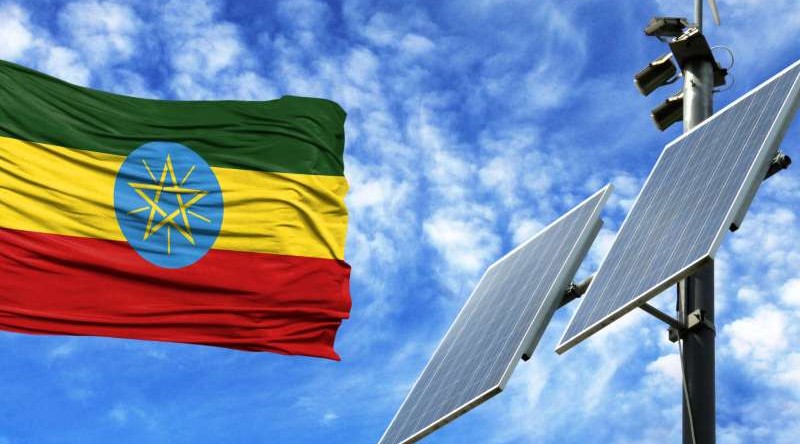
Despite its abundant solar resources averaging between 5.5 and 6.5 kilowatt-hours per square meter per day solar energy remains a largely untapped resource in Ethiopia, contributing less than 1% to the national grid. The main deterrent has been cost. For most households and small enterprises, the upfront expense of installing solar panels and associated equipment is simply out of reach.
But where others saw barriers, Abel Zerfu, an engineering graduate from Adama Science & Technology University, saw opportunity. Recognizing the inefficiencies and costs associated with typical solar setups, Abel developed a specialized solution: solar combiner boxes. These devices consolidate power from multiple panels into a single, streamlined circuit—simplifying installations and significantly reducing costs. According to Abel, his technology can bring down setup expenses by nearly 50%, making solar more accessible to underserved populations. Without it, large solar setups become messy and hard to manage, he explains.
Abel’s innovation became the cornerstone of his startup, Green Hope Renewable Energy, a four-member venture that has already begun to make waves in the local clean tech scene. The company has attracted a growing clientele, including real estate developers, institutions, and solar installation firms. Its impact was significant enough to earn a finalist spot in the UK-supported Green Future Africa initiative. Some clients are now generating up to 45 kilowatts using Green Hope’s products—a testament to the system’s scalability and efficiency.
Green Hope recently secured a contract to install solar-powered streetlights in the CMC district of Addis Ababa, a key milestone that signals broader potential. However, Abel’s vision extends far beyond urban infrastructure. He sees his technology playing a transformative role in rural electrification, where most of the country’s energy deficit is concentrated.
To fully realize this vision, Abel is counting on supportive reforms, such as the implementation of net metering—a policy that allows solar users to feed excess electricity back into the grid in exchange for energy credits. Additionally, he hopes for increased collaboration with larger solar assemblers and the introduction of investment-friendly policies that can attract both local and international support.
Despite his progress, Abel acknowledges that the road ahead remains steep. Most of Ethiopia’s visible solar developments—such as the African Development Bank-funded plant in the Somali region and UAE-based Masdar’s photovoltaic farms—have relied on large-scale investment and government backing. For independent innovators like Abel, breaking into this capital-intensive industry requires more than ingenuity—it demands robust financial and technical support.
Read Also;
Until that support materializes, the promise of off-grid solar power in Ethiopia will remain a tantalizing but elusive dream. For tens of millions still living in the dark, it’s not just about electricity—it’s about education, healthcare, economic opportunity, and dignity. The challenge now is to ensure that the country’s renewable energy revolution leaves no one behind.