

(3 Minutes Read)
From an African viewpoint, the decision by the U.S. government to destroy nearly USD 10 million worth of contraceptives stored in Europe is not just an act of waste, but a serious affront to global health equity and women’s rights—particularly in under-resourced regions like Africa where these supplies were likely intended to be used.
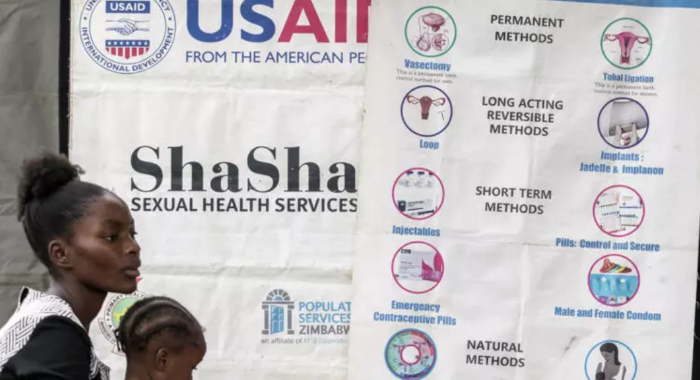
The Trump administration planned to incinerate long-term contraceptive products such as IUDs and implants, procured through USAID’s public health programs. Although no HIV medications or condoms are involved, the planned destruction undermines vital reproductive health efforts, particularly in African countries where access to such contraception is already extremely limited. Recently, as reported by www.trendsnafrica.com that USAID-funded contraceptives worth USD 10 million pledged for vulnerable women in developing countries will be burned in France
Many African nations grapple with high maternal mortality, limited access to contraception, and unmet family planning needs. For many women, long-acting contraceptives are both rare and unaffordable. The loss of these resources feels like a deep betrayal, especially if they were originally meant to support African public health systems.
This is more than a logistical mishap—it’s a matter of life, dignity, and human rights. These contraceptives could have helped women avoid unintended pregnancies, manage family planning, and protect their health. That the U.S. would dispose of them—even after groups like MSI Reproductive Choices and IPPF offered to take them free of charge—suggests a troubling indifference to reproductive justice and health equality.
While the French government and civil society organizations in Europe have raised alarm, African governments and public health institutions have remained conspicuously silent. This silence is concerning, given the direct consequences for African women. It highlights the urgent need for African leadership and advocacy in global health policy discussions, especially when the stakes are so high.
France’s health ministry and Belgian authorities have expressed dismay, and political parties in France have criticized what they see as a sexist and regressive move. However, without a strong African response, these efforts risk becoming a one-sided dialogue.
From the African perspective, this is about more than politics—it’s about whether the international community truly values the lives and rights of African women. Destroying lifesaving supplies, when alternatives exist, suggests that ideology may be driving policy more than practical or ethical concerns.
USAID, once a cornerstone of U.S. support for health in developing countries, has been weakened by Trump-era policies that deprioritized reproductive health. Now, African countries are bearing the brunt of those ideological choices.
Read Also:
https://trendsnafrica.com/us-aid-funded-contraceptives-to-be-destroyed/
African governments, the African Union, and civil society must act. They should demand accountability from the U.S. and European stakeholders involved and ensure that access to essential health supplies is not politicized or discarded. This is not solely a Western feminist issue—it is a critical African issue as well.
In the face of such a blatant disregard for the health and dignity of African women, silence is no longer an acceptable response.